
My First Elk Hunt: Everything That Went Wrong (And Right)
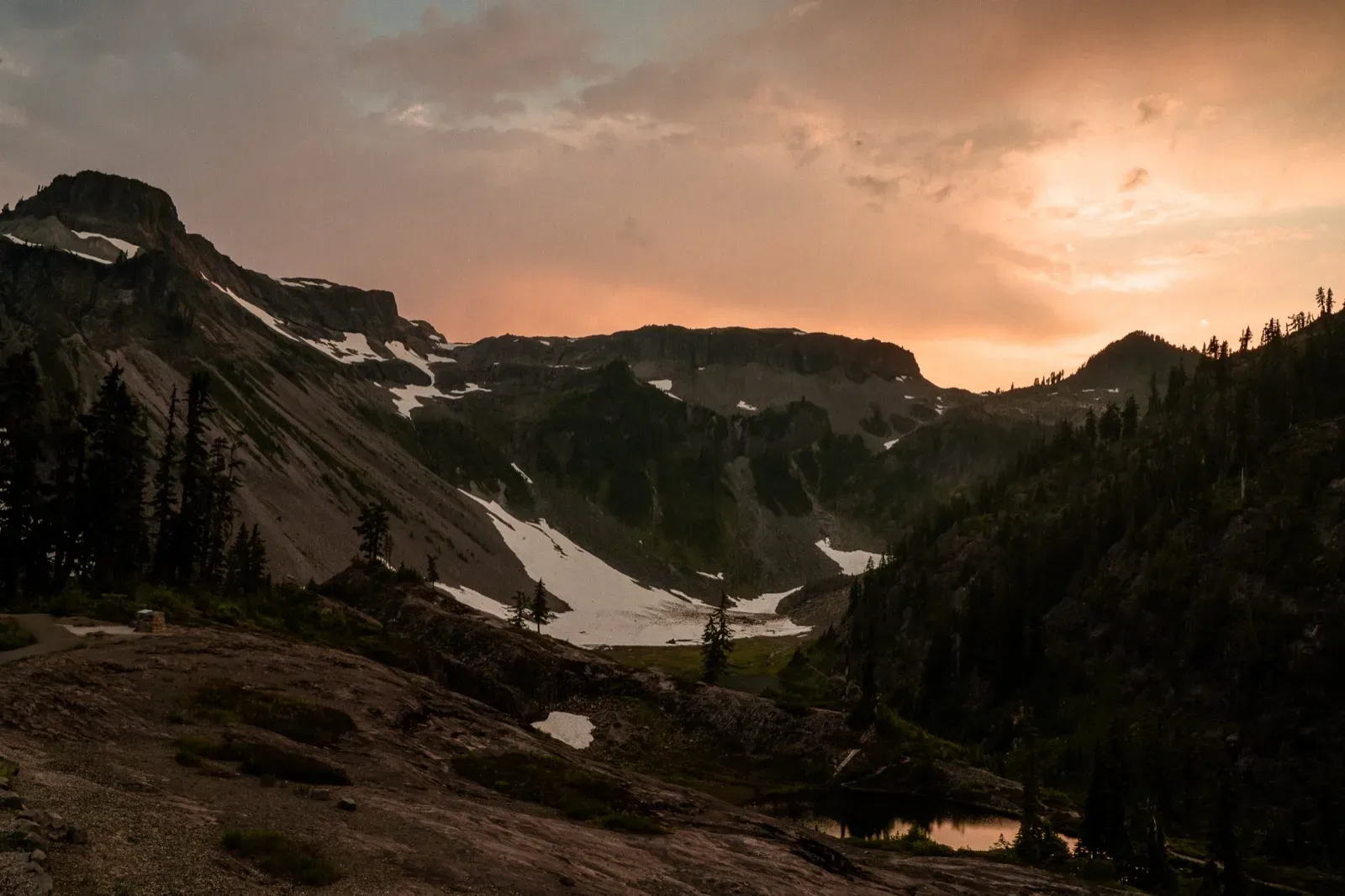
The alarm went off at 3:45 AM on a Tuesday in October, and I immediately regretted every decision that had led me to a canvas wall tent at 9,200 feet in the Colorado Rockies.
My legs ached from the previous day's 11-mile scouting hike. My lungs burned from the altitude — I'd driven up from sea level two days earlier, which my guide politely told me was "not ideal." The temperature inside the tent was 18°F. Outside, it was 6°F. I could see my breath forming small clouds that drifted up toward the canvas ceiling and disappeared.
This was supposed to be the trip of a lifetime.
How I Got Here
I'd been talking about elk hunting for five years before I actually booked the trip. There's a particular kind of procrastination that hunters excel at — the kind where you read every article, watch every YouTube video, buy half the gear list, and never actually go.
What finally pushed me was embarrassingly simple: my buddy texted a photo of a 340-inch bull he'd taken in New Mexico. Standing in my kitchen, looking at that photo, I realized I'd been "planning" for five years and had nothing to show for it except a closet full of camo I'd never worn in the mountains.
I called a booking service the next morning. Three weeks later, I had a deposit down on a guided rifle elk hunt in Unit 76 in Colorado — a second-season over-the-counter tag in late October.
First mistake: I booked a mountain hunt with zero mountain fitness.
The Reality Check
Day one started with what my guide called a "short morning hike" to a glassing point. The "short hike" was 2.5 miles with 1,800 feet of elevation gain, wearing a pack, in the dark, on a trail that was really more of a suggestion than an actual path.
By the time we reached the ridge, I was breathing so hard I couldn't hold my binoculars steady. My guide — a quiet, patient man named Dave who'd been guiding for 22 years — handed me his water bottle without a word.
"Altitude takes a few days," he said. "You'll get your legs under you."
He was being kind. What he meant was: You should have trained for this.
Here's what I learned: Elk hunting above 9,000 feet requires genuine cardiovascular fitness. Not "I walk the dog every day" fitness. The kind of fitness where you can hike uphill for 2 hours with a 30-pound pack and still have the composure to make a precise 250-yard shot at the end. I had not done this preparation, and it showed.
What Went Wrong
Let me be specific about my mistakes, because I think they're the most useful part of this story:
1. Physical preparation (or lack thereof) I did a few hikes in the weeks before the trip. This is like studying for the SAT the night before. Proper elk hunting fitness requires 8–12 weeks of progressive training: stair climbing with weight, incline treadmill work, and ideally some actual mountain time.
2. Altitude acclimation I flew into Denver at 5,280 feet and drove to camp at 9,200 feet the same day. You need at least 2–3 days to acclimate before exerting yourself at altitude. I gave myself one night.
3. Gear I hadn't field-tested My boots were broken in on flat trails. Not the same as steep, rocky mountain terrain. By day two, I had blisters the size of quarters on both heels.
4. Shooting practice from a bench I could shoot sub-MOA groups from a bench rest at my local range. On the mountain, shooting steeply uphill and downhill from sitting and kneeling positions, my groups opened up to 4–5 inches at 200 yards. In the field, your bench rest group size means nothing.
What Went Right
On day four, everything changed.
We'd been glassing a meadow complex since first light. Dave had spotted a small herd of cows with a satellite bull — a young 5x5 — feeding at the far edge of the timber about 600 yards away. Too far to shoot, but Dave had a plan.
We dropped off the ridge, circled downwind, and spent 90 minutes working through dark timber to close the distance. At one point, we crawled on hands and knees through a stand of spruce so thick I couldn't see Dave five feet ahead of me.
When we reached the edge of the timber, the bull was standing broadside at 187 yards. Dave set up shooting sticks. I settled the crosshairs behind the shoulder, controlled my breathing — which was, for the first time all trip, actually manageable — and squeezed the trigger.
The bull took two steps and went down.
I don't remember the next few minutes clearly. I remember Dave's hand on my shoulder. I remember the sound of my own breathing. I remember looking at this incredible animal and feeling simultaneously the deepest gratitude and the heaviest responsibility I'd ever experienced in the outdoors.
What I'd Tell My Past Self
If I could go back and talk to the version of me who was scrolling his phone in the kitchen looking at his buddy's elk photo, here's what I'd say:
Train like it matters, because it does. Start a mountain fitness program 3 months out. Our elk hunting fitness guide has a complete training plan.
Arrive early and acclimate. Budget 2–3 extra days at altitude before your hunt starts. Hike, hydrate, sleep.
Shoot from field positions. Set up a target at unknown distances on uneven terrain. Shoot from sitting, kneeling, and prone with shooting sticks. That's elk hunting.
Break in your boots on the type of terrain you'll hunt. Flat neighborhood walks don't count.
A smaller bull is still an elk. My 5x5 isn't winning any B&C awards, but it filled my freezer with 180 pounds of the best meat I've ever eaten, and the memory of that morning in the timber is worth more than any number of inches of antler.
The Meat of It
I want to end with something that doesn't get enough attention in hunting stories: the meat.
We spent the rest of that day field-dressing and quartering the bull, then packing it out on our backs in two loads. Each load was about 80 pounds. It was the hardest physical work of my life, and it was deeply, profoundly satisfying.
Back home, I processed the elk myself over two long weekends. I now have a chest freezer full of steaks, roasts, ground elk, and summer sausage. Every meal from that elk is a reminder of that mountain, that morning, and the work it took to earn it.
That's why I hunt. Not for antlers. Not for photos. For the full experience — from the planning to the preparation to the pursuit to the pack-out to the dinner table. It's the most honest food I've ever eaten.
Jake Collier is the founder of One Outdoors. He's now booked his second elk hunt — this time with a 12-week training program already underway.
Ready to plan your elk hunt? Read our complete elk hunting guide or browse elk hunting experiences.