
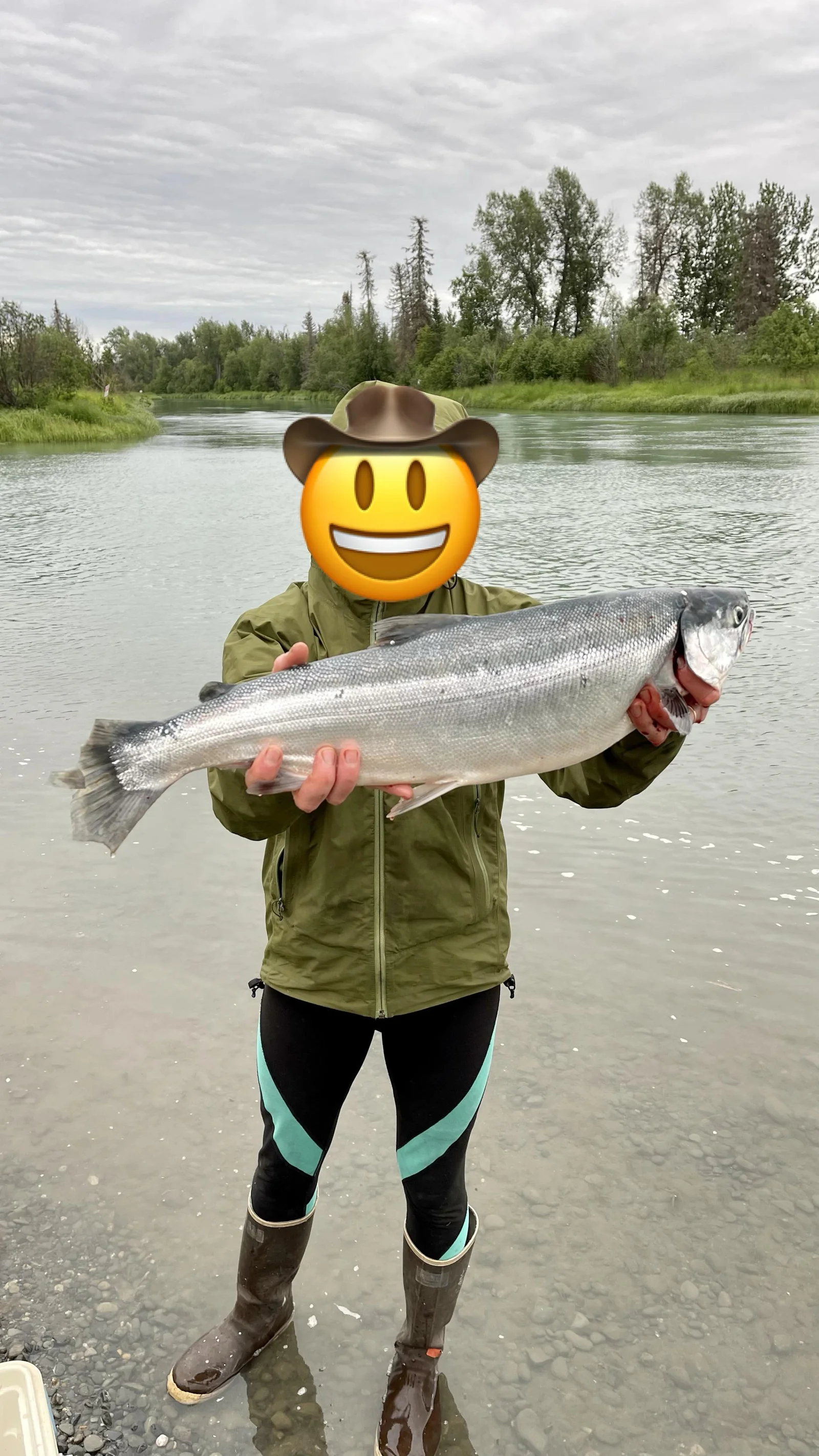
Sockeye Salmon
Oncorhynchus nerka
The Bristol Bay Fishery — World's Largest Salmon Run
- Average size
- 5–8 lb
- Peak season
- Late June–late July
- Experiences
- 3
Bristol Bay is the largest wild sockeye fishery on earth — 30 to 50 million fish return annually through the Kvichak, Nushagak, Naknek, Egegik, and Ugashik drainages. Peak run timing concentrates in a three-week window from late June through mid-July. During the peak, the rivers are literally paved with red fish.
Sockeye are the reason Alaska's rainbow-trout fishery is what it is — sockeye eggs and flesh fuel the ecosystem that produces 30" resident rainbows later in the summer. Fishing for sockeye themselves is high-volume and physically demanding; most river programs land 40–80 fish per day per rod during peak.
Best Methods
- ● Flossing with weighted flies on the Kenai
- ● Dead-drift nymph and small fly patterns
- ● Sight-casting to staging fish on clear tributaries
- ● Combination trips targeting rainbow trout + sockeye in July
Gear Notes
7- or 8-weight fly rods. 10–15 lb fluorocarbon tippet. Most guides recommend bringing two rods — one rigged for sockeye, one for rainbows that are already chasing salmon eggs during the run.
Where to Catch Sockeye Salmon
3 vetted experiences across 2 countries.
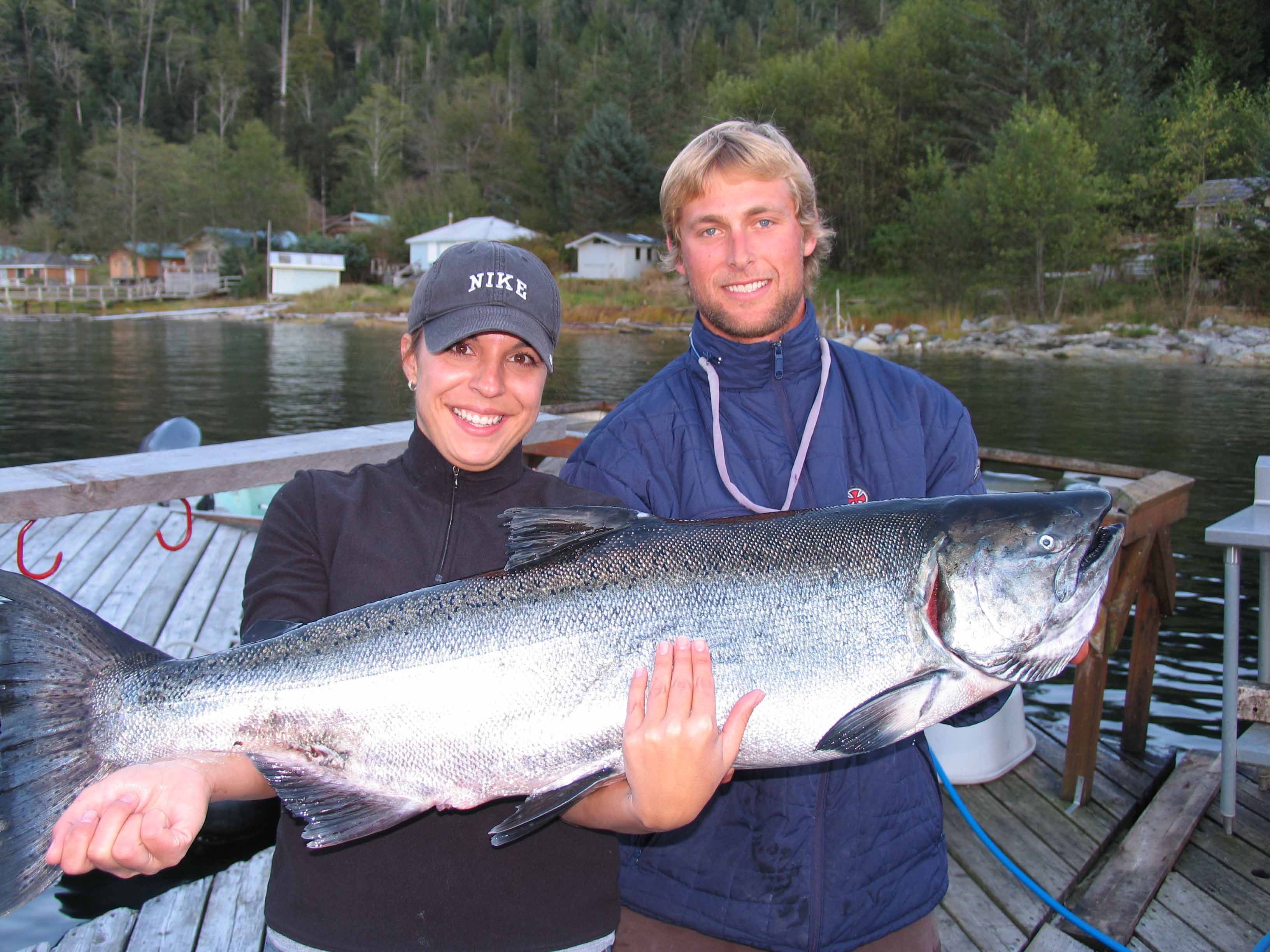
Sonora, British Columbia, Canada
Sonora Resort is situated in Desolation Sound among the Discovery Islands off Vancouver Island, voted #1 Luxury Hotel in Canada by TripAdvisor. Spectacular eco adventures meet luxurious accommodations.
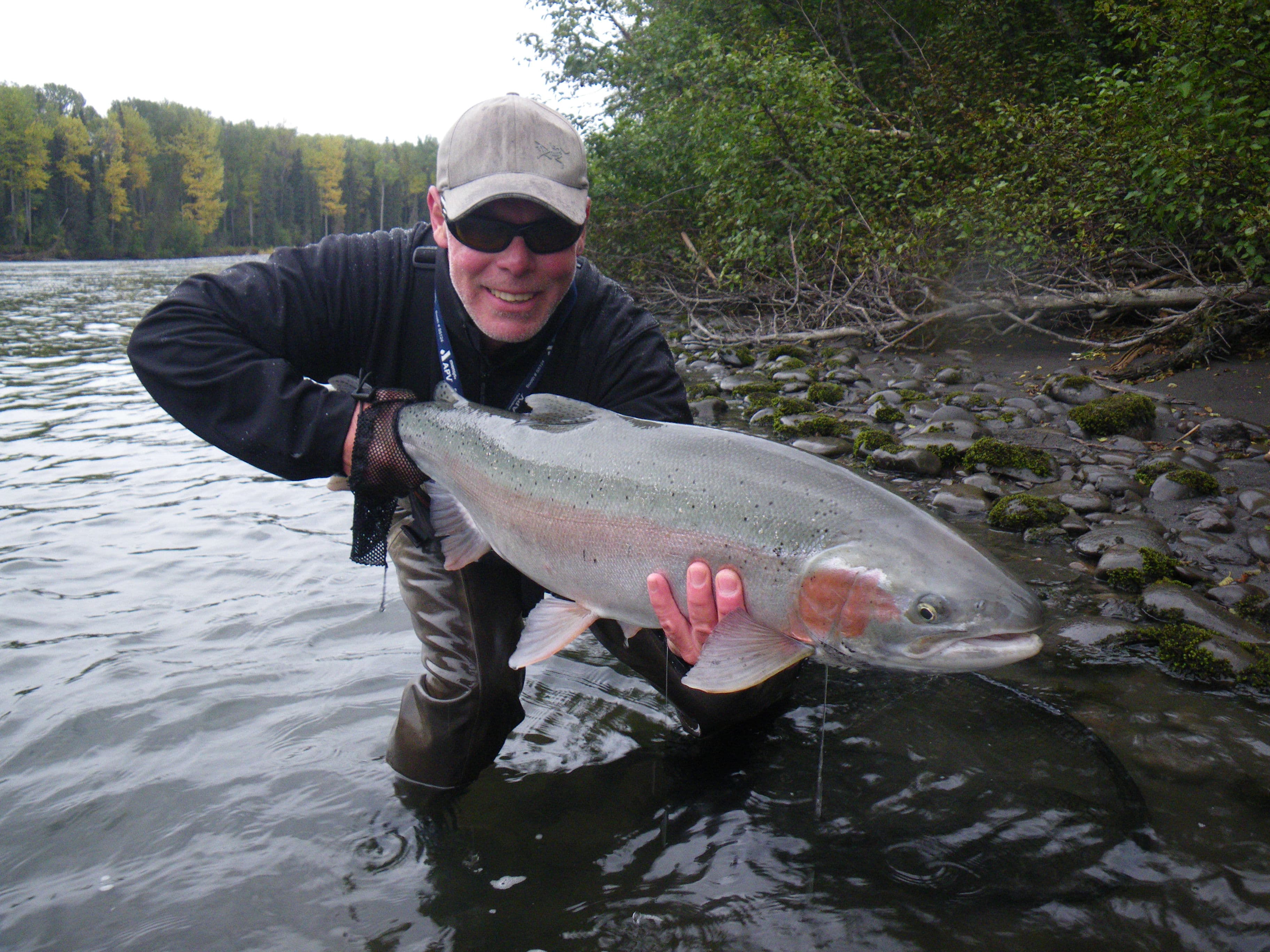
Suskeena Lodge, BC, Canada
Suskeena Lodge is located on the Sustut River in Northern British Columbia, where the Sustut has the largest average steelhead found in any river in the Skeena watershed.
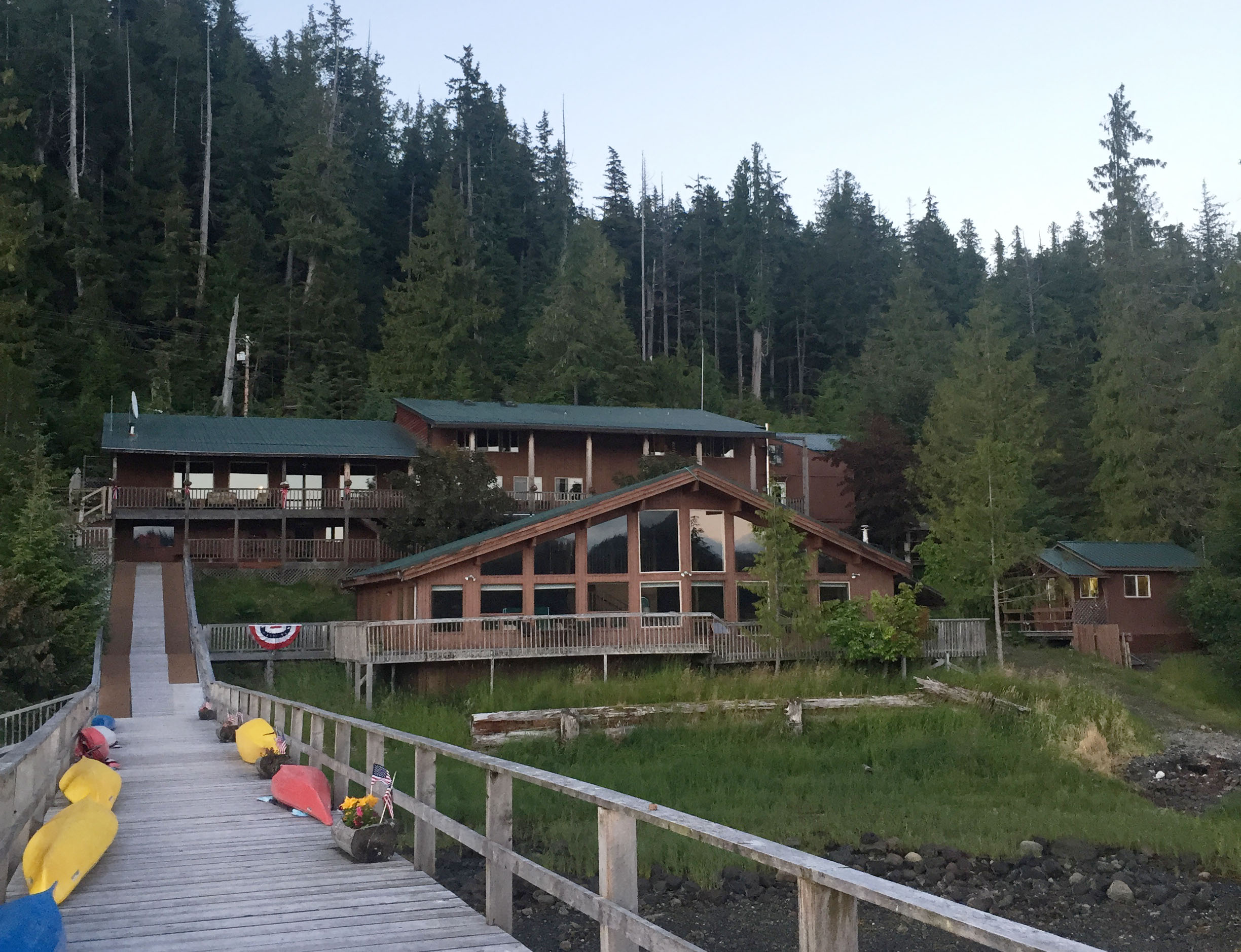
The Lodge at Whale Pass, Southeast Alaska
The Lodge at Whale Pass is situated in the heart of the Inside Passage, only a 45-minute floatplane trip from Ketchikan with no set arrival or departure days.
Explore Other Species
Browse our full species catalog.